Lytische infectie betekenis
Lytisch en Lysogeen zijn twee verschillende virale patronen, die ook onderling uitwisselbaar zijn. Sommige virussen tonen beide patronen. Ze repliceren eerst met de lysogene cyclus en schakelen vervolgens over naar de lytische cyclus. Lees meer over de verschillen tussen Lytic en Lysogenic. Lytische cyclus en lysogene cyclus zijn twee mechanismen van de virale reproductie. In de lytische cyclus wordt de gastheercel gelyseerd door de afgifte van het nieuwe nageslacht van het virus. Er treedt echter geen cellysis op in de lysogene cyclus. Lytische infectie betekenis De lytische cyclus is een cyclus waarin, na injectie van het genetische materiaal van de bacteriofaag in de bacteriële cel, replicatie en vorming van nieuwe bacteriofagen plaatsvindt, die bij het verlaten de bacteriële cel vernietigen.



Lytische cyclus Een bacteriofaag of kortweg faag is een klein virus dat alleen een specifieke bacterie infecteert. Net als andere virussen, die bacteriën en eukaryoten besmetten, bestaan ze uit een buitenste eiwitmantel met daarin genetisch materiaal dat bij 95% van de bekende fagen uit DNA bestaat. Dit DNA is tussen 5 en k bp groot.

Virus replicatie
Viral replication is the formation of biological viruses during the infection process in the target host cells. Viruses must first get into the cell before viral replication can occur. Through the generation of abundant copies of its genome and packaging these copies, the virus continues infecting new hosts. Replication between viruses is. To continue the chain of infection, a virus must undergo the process of replication to create new, infectious virions that are able to infect other cells of the body or subsequent hosts. After gaining entry into the body, a virus makes physical.Virus replicatie As viruses are obligate intracellular pathogens they cannot replicate without the machinery and metabolism of a host cell. Although the replicative life cycle of viruses differs greatly between species and category of virus, there are six basic stages that are essential for viral replication. 1.
Cel lysis
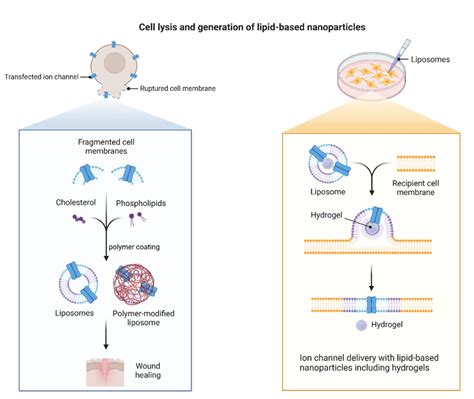
Cell lysis or cellular disruption is a method in which the outer boundary or cell membrane is broken down or destroyed in order to release inter-cellular materials such as DNA, RNA, protein or organelles from a cell. Several methods are commonly used to physically lyse cells to extract proteins, including mechanical disruption, liquid homogenization, high frequency sound waves (sonication), freeze/thaw cycles, and manual grinding. The choice of cell lysis method depends on the type of cells, volume, and sensitivity of proteins being extracted. Cel lysis This overview describes basic methods for quickly and efficiently extracting total protein from cultured cells and tissues. Topics covered include cell lysis, protein extraction, subcellular fractionation and organelle isolation, protein stabilization, and protein refolding.Virale infectiecyclus
A virus is composed of genetic material called nucleic acids, either DNA or RNA, surrounded by a protein requires a living cell in which to multiply. A viral infection can lead to a spectrum of symptoms from asymptomatic (no overt symptoms) to severe disease. Virale infectiecyclus. Virale infectie begint met faag-adsorptie. Faagadsorptie vindt plaats in twee fasen. In de eerste, bekend als omkeerbaar, is de interactie tussen het virus en de potentiële gastheer zwak. Elke verandering in de omgevingsomstandigheden kan resulteren in het stopzetten van deze interactie.- Virale infectiecyclus Afhankelijk van de duur van de synthesefase kunnen twee modi van de virale infectiecyclus worden onderscheiden. Enerzijds hebben we de gewone cyclus. Het virale DNA gaat onmiddellijk over tot transcriptie van zijn genetische boodschap in het virale RNA, noodzakelijk voor zijn vermenigvuldiging, en hier zou de reproductie zelf beginnen.